
What is the vagina?
The vagina is part of the female pelvic reproductive system. Situated as a passage from the exterior (the vulva) to the interior (cervix and uterus). It is not the entire female genital area, just the structure in between.
It functions as a passage:
- For menstrual blood flow to leave the body.
- For sexual intercourse and sexual wellbeing.
- For immune regulation, clearing pathogens through the vaginal flora.
- A way of childbirth, relying on the opening of the cervix in the final stage.
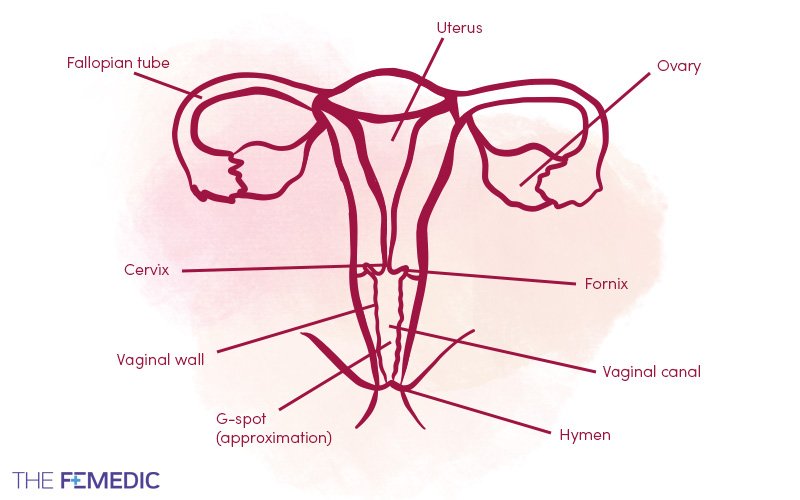
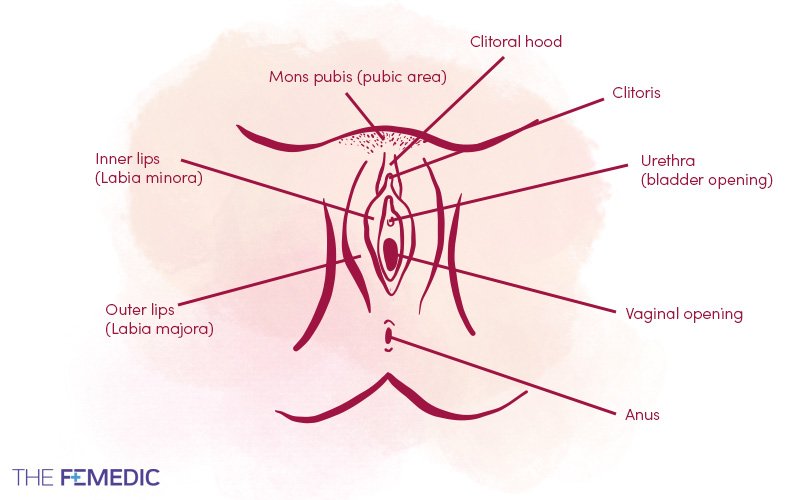
The cellular components of the vagina.
The vaginal skin or epithelium is composed of the following:
- A regenerative layer, the deepest layer, to rebuild cells.
- An intermediate layer made from immature cells, as well as cells that are formed during pregnancy.
- Superficial layers that are breaking down in the passage of the vagina.
The other components are blood vessels and nerves, as well as a muscular layer.
The pH of the vagina.
This is the very essence of the "healthy vagina" versus the "unhealthy vagina" argument.
The pH balance guides acidity or alkalinity; in the case of the vagina, it is acidic. (Values from 3.8 to 4.5).
Here is the answer to all problems regarding vaginal discharge…
Key Principle · Women's Health
If it is smelly, the pH is off balance!
Vaginal discharge: Can it be normal?
DEFINITELY!
It can occur during the ovulation time as a thick, transparent mucus plug — signalling the time your body releases a dominant follicle, indicating it is ready to allow a pregnancy to occur.
On a daily pattern, the vagina has a minimal visible discharge to allow protection against bacterial infections.
Just remember, it should not itch, burn, or smell like ammonia (fish-like scent).
What is the "high key" message?
- Get to know the right names for the right parts of your body.
- Understand the role each part plays in the female pelvic reproductive system.
- Keep track of your cycle to look out for certain normal events. Once familiar with the normal events, the abnormalities will be easier to see and investigate.